Sri Lanka’s Organic Agriculture Crisis: The Cost of Ignoring Soil
The transition collapsed not because organic farming is flawed, but because the soil was not given time to adapt.
⸻
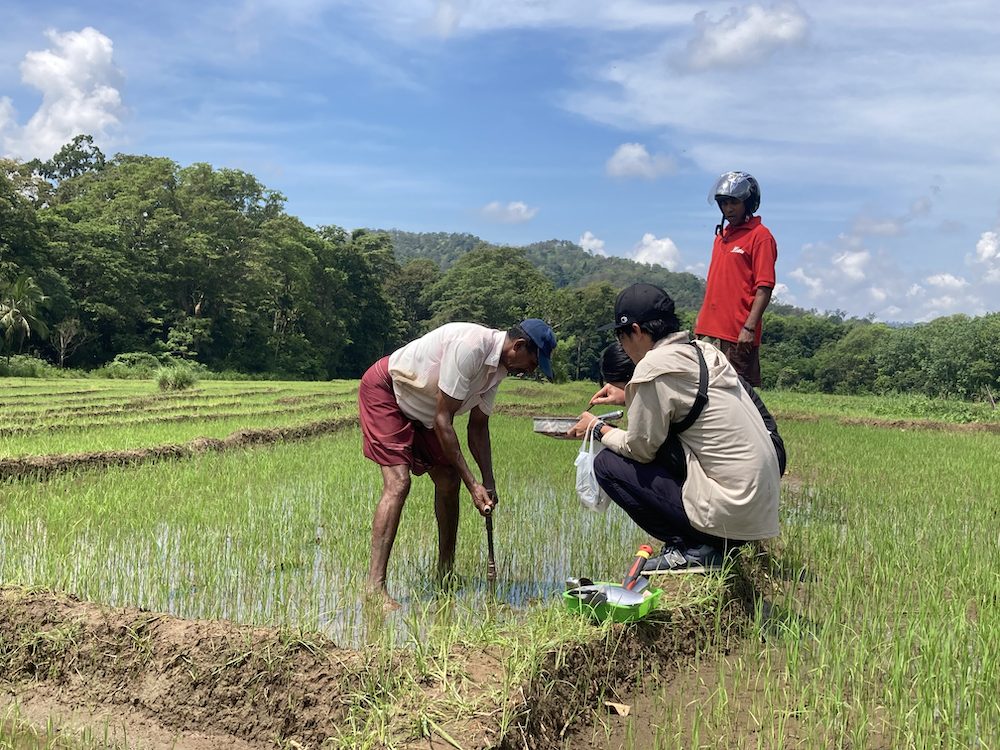
In 2021, the Sri Lankan government announced a nationwide ban on chemical fertilizers and pesticides, implemented almost without a transition period. The intention was ambitious—to shift the entire agricultural system toward organic farming in a single step. It sounded idealistic, even visionary. Yet the results revealed what happens when policy is designed without regard for how soil actually works.
The Sri Lanka: Impact Assessment Study of 2021 Ban on Conventional Pesticides and Fertilizers report shows that the abrupt nationwide ban on chemical fertilizers and pesticides in 2021 caused severe input shortages, sharp yield declines, and rising production costs among Sri Lankan farmers.
Surveyed farmers reported losing over half of their usual crop yield, alongside major increases in weeds, pests, and diseases. Many struggled to obtain inputs, paid higher prices, or visited multiple shops in search of supplies.
Despite a partial policy reversal, yields and food availability did not recover quickly. Most farmers expressed a preference to continue using conventional pesticides due to their effectiveness and ease of use.
For details, see the full report:
⸻
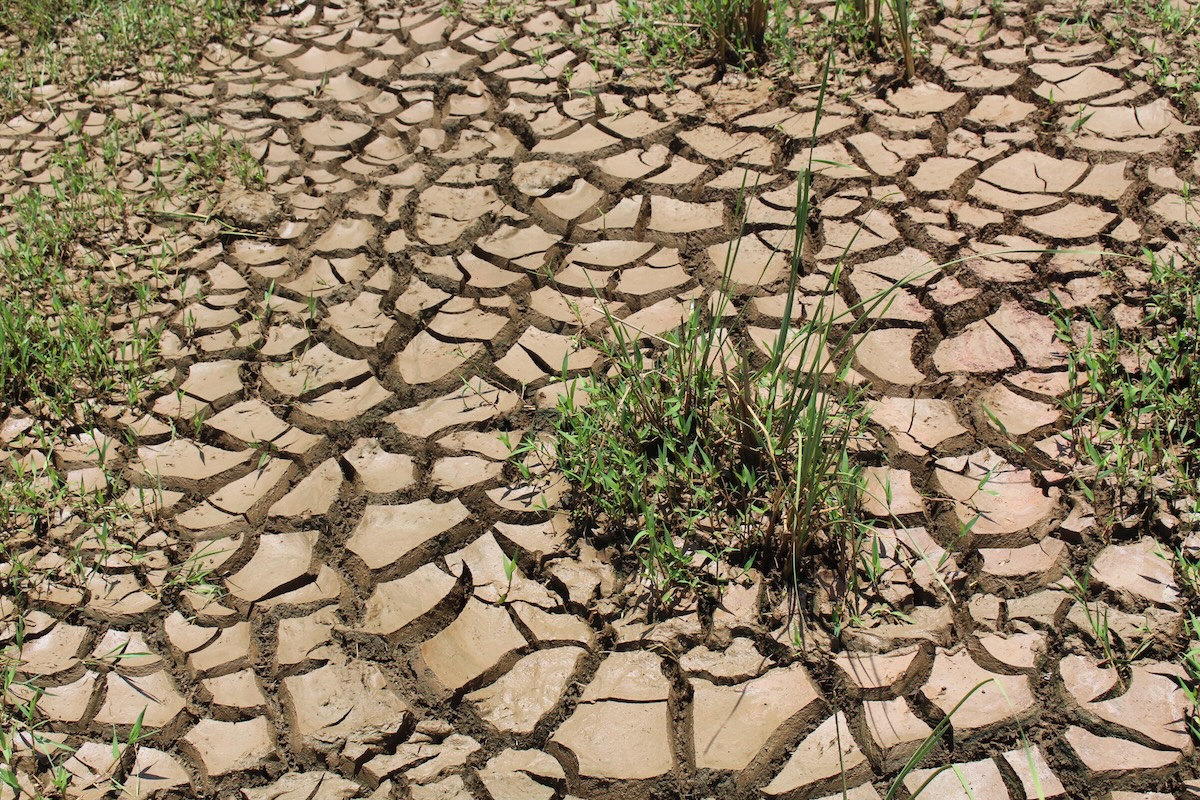
This is the cost of ignoring soil.
Soil is not a material that can be reshaped at will, nor a technological product where missing components can simply be added. It is an organic system shaped by climate, geology, topography, and life. It stores memory; it carries history forward.
When we talk about soil fertility, we are not referring solely to the amount of fertilizer applied, but to the accessibility and transformation pathways of nutrients within the soil. The nutrients that plants can truly absorb must be in plant-available forms: ammonium and nitrate for nitrogen; water-soluble and buffered forms for phosphorus; exchangeable and non-exchangeable pools for potassium.
These forms are maintained not only by external inputs but by biogeochemical processes: mineral weathering, organic matter decomposition, microbial activity, pH buffering, and the soil structure that regulates water and air. When land that has depended on synthetic fertilizers for decades is suddenly cut off—with no accumulated organic matter, biological activity, or soil carbon to sustain nutrient cycling—the system has no ability to self-regulate.
The transition collapsed not because organic farming is flawed, but because the soil was not given time to adapt.
This is not an argument against organic agriculture.
On the contrary, truly sustainable systems depend on soils capable of supporting themselves. But such resilience requires time and science.
Agricultural transition is not simply a matter of switching fertilizer brands or writing new policy boundaries. Without understanding nutrient dynamics, microbial activity, and the evolutionary context of soils, we are risking our lifes without the foundations.
Agricultural transformation must begin with soil, and with the people whose lives depend on it. Only when we understand the language of the land and respect its rhythms can good intentions avoid becoming harm. Otherwise, we will continue to witness the same lesson repeated: the cost of ignoring soil science is a burden no nation can afford.
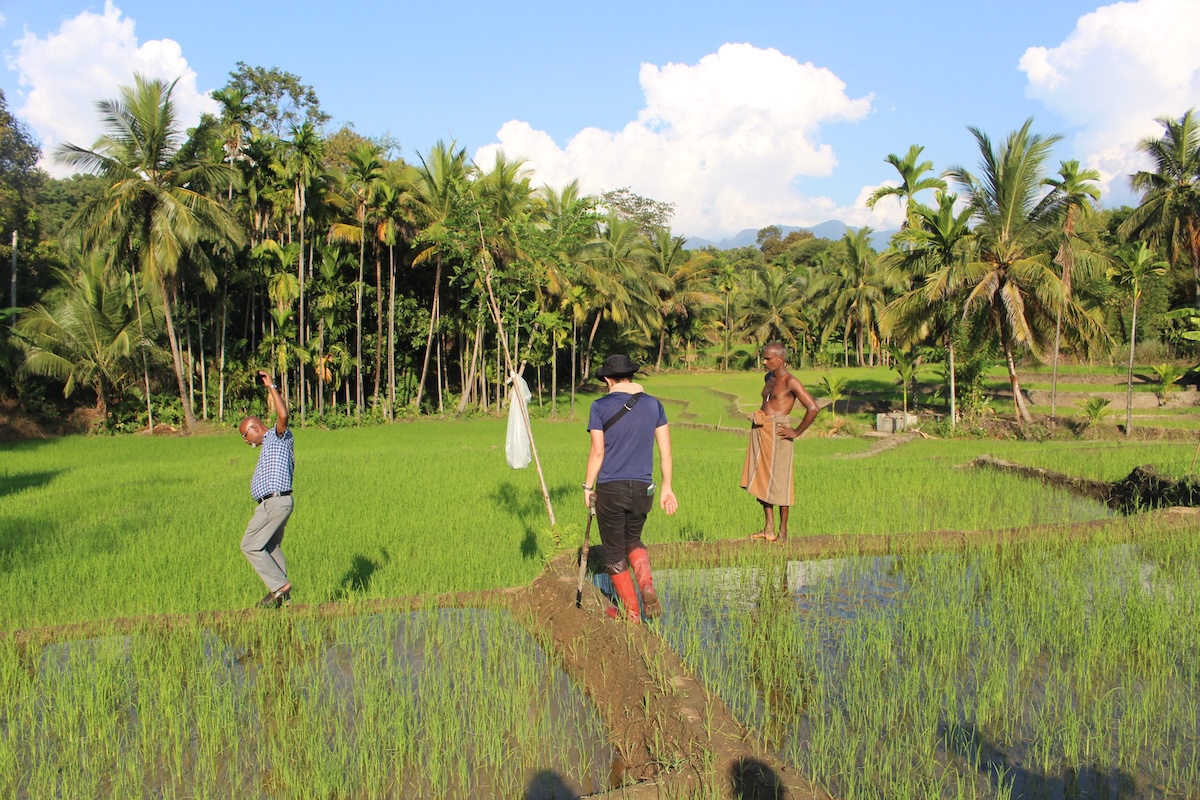
Truly sustainable systems depend on soils capable of supporting themselves. But such resilience requires time and science.