Soil Collection
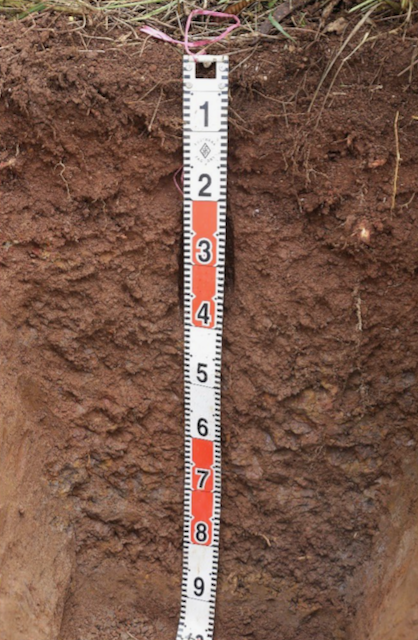
- Typic HapludultsTropical humid paddy soils with plinthite.Taoyuan, Taiwan
Detailed Descriptions
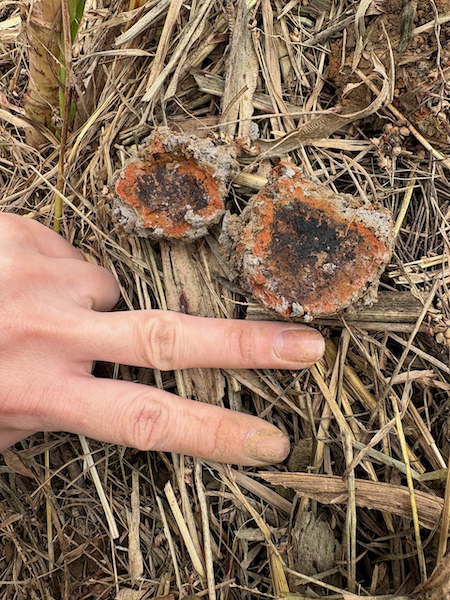
This soil profile showed coarse Fe—Mn nodules between the depth of 50—65 cm. The upper layer exhibited fine platy structure due to periodic wetting and drying. Fe—Mn nodules reflect clear evidence of soil chemistry; that is, Mn always moved faster than Fe during flooding due to its higher redox potential.
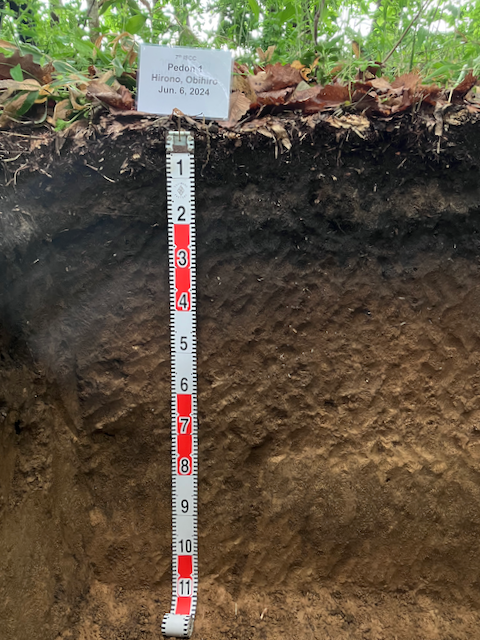
- HapludandsTemperate humid volcanic soils.Hokkaido, Japan
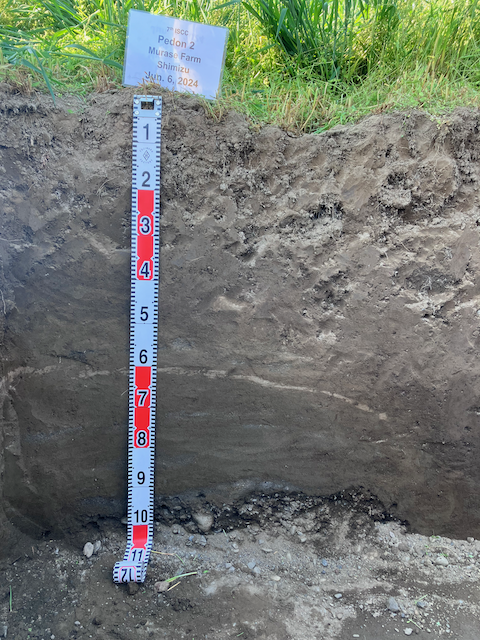
- UdifluventsTemperate humid alluvial soils.Hokkaido, Japan
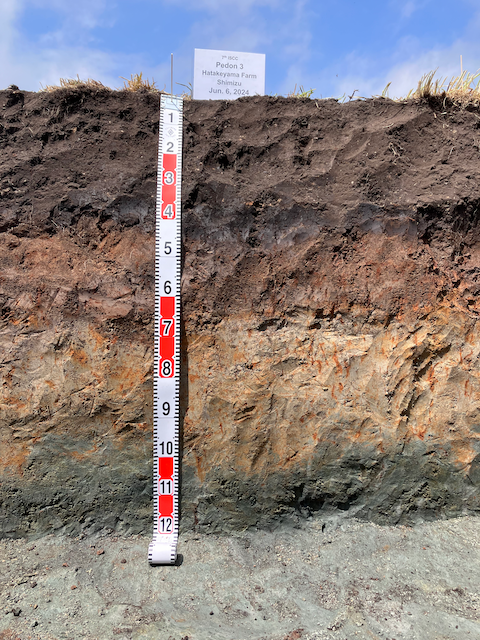
- MelanaquandsTemperate humid volcanic soils.Hokkaido, Japan
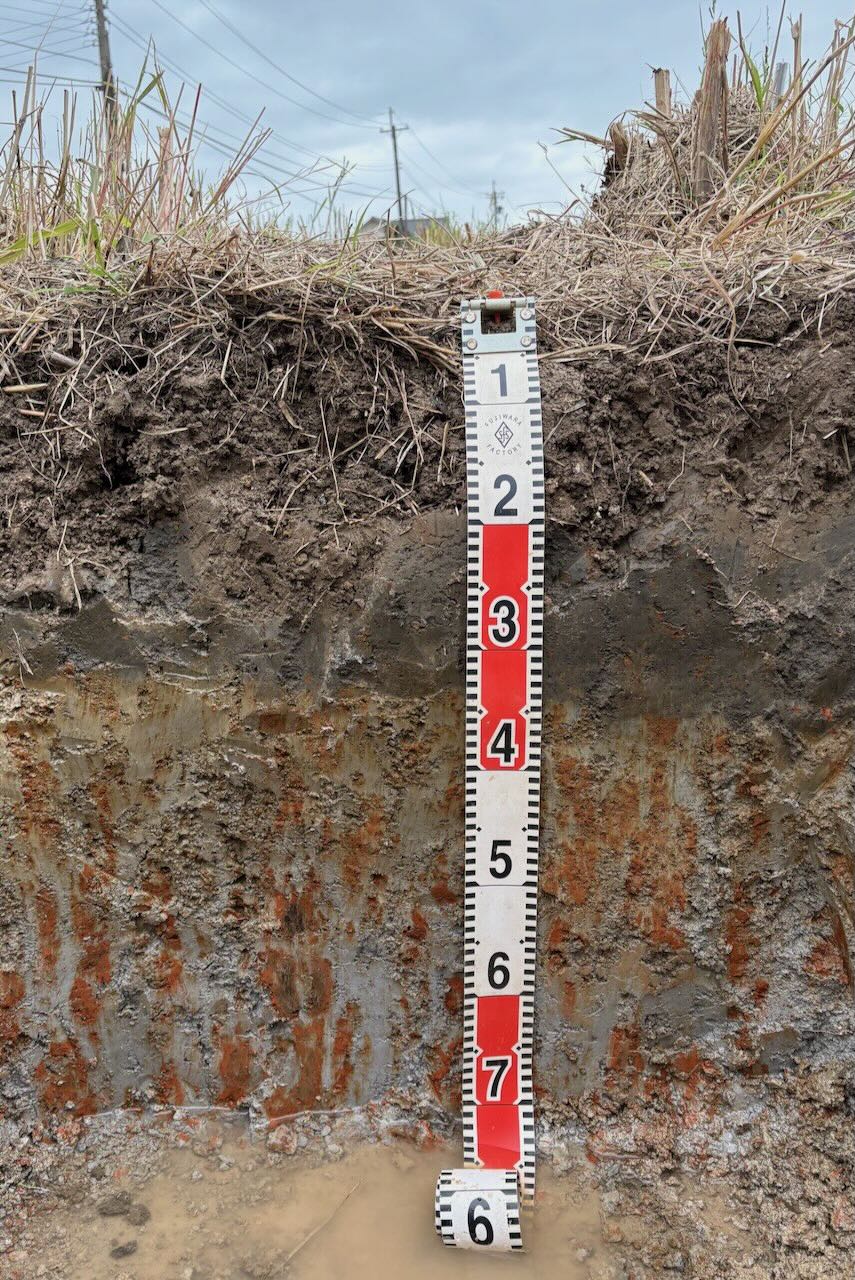
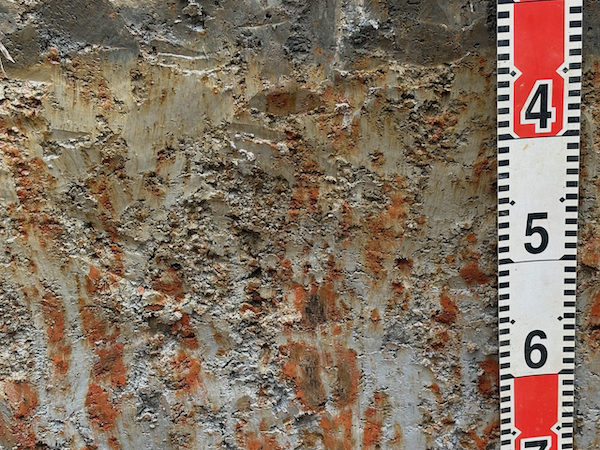
Detailed Descriptions
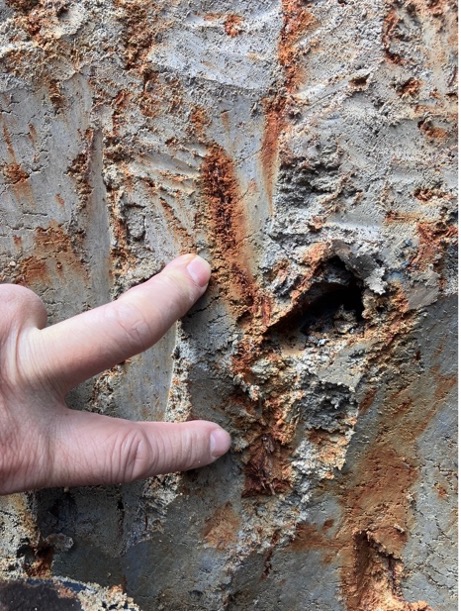
Under reducing conditions, iron is released from minerals; the ferrous ions are oxidized at the root channels into orange ferric iron, forming lepidocrocite.
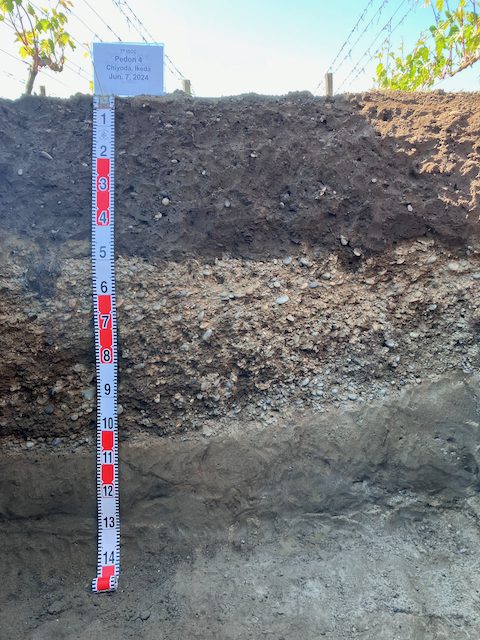
- UdifluventsTemperate alluvial/colluvial soils (grape garden).Hokkaido, Japan
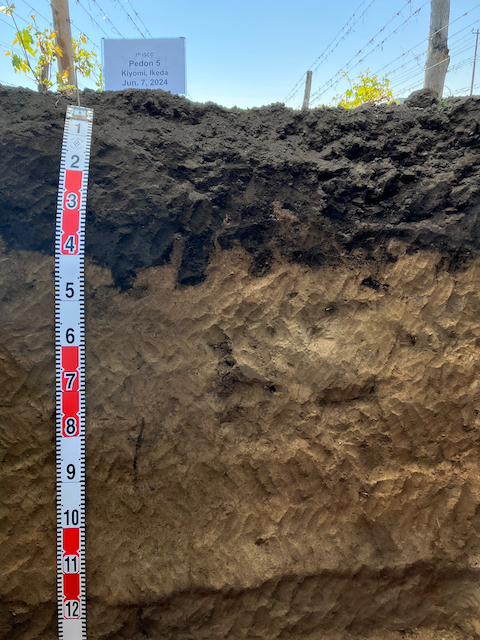
- HapludandsTemperate humid volcanic soils (grape garden).Hokkaido, Japan
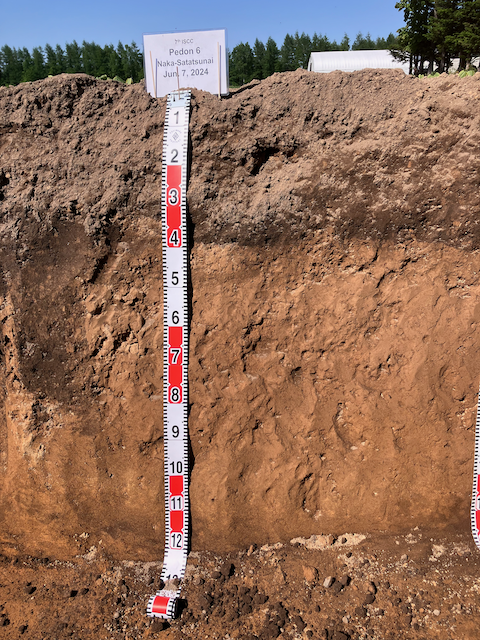
- HapludandsTemperate humid volcanic soils (chinese yam).Hokkaido, Japan
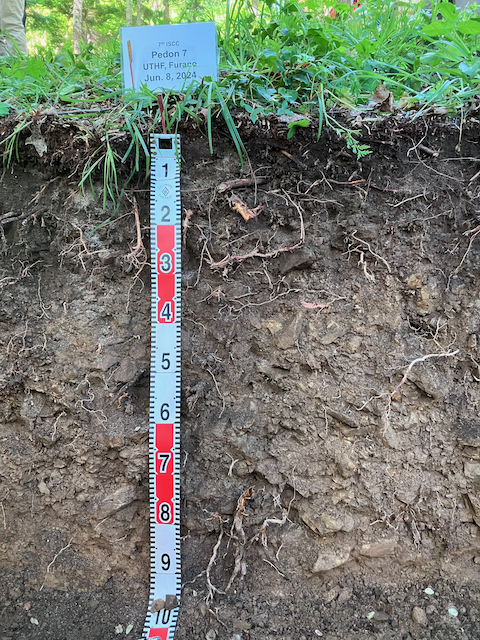
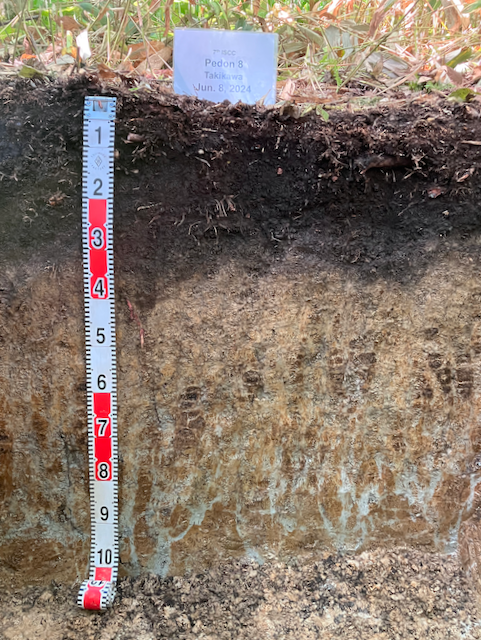
- UdorthentsTemperate humid forest soils with well drainage.Hokkaido, Japan
- HumaqueptsTemperate humid forest soils with poor drainage.Hokkaido, Japan
Detailed Descriptions
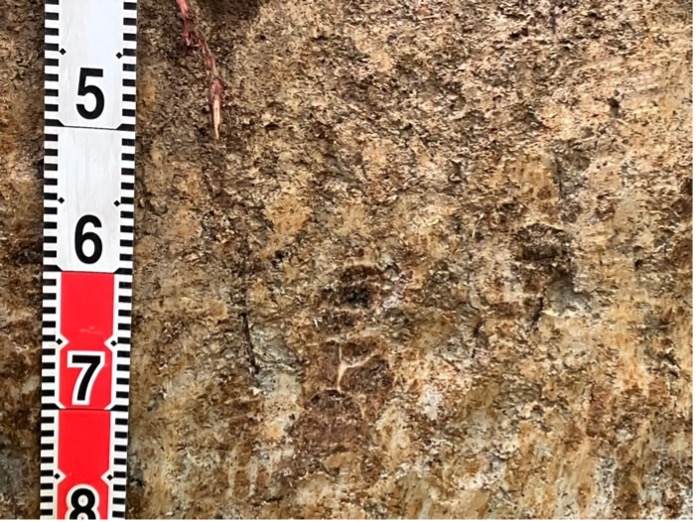
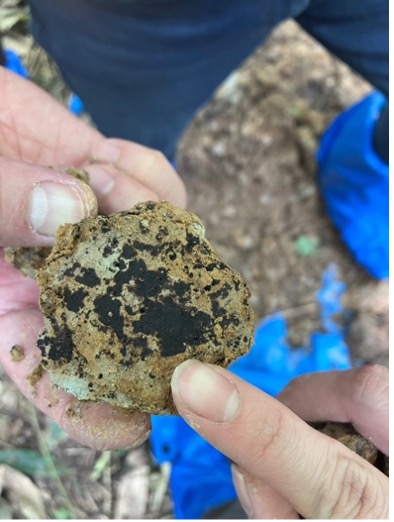
Poor drainage in the upper layer causes reduced manganese to migrate downward, and upon contact with oxygen it forms black manganese oxides.
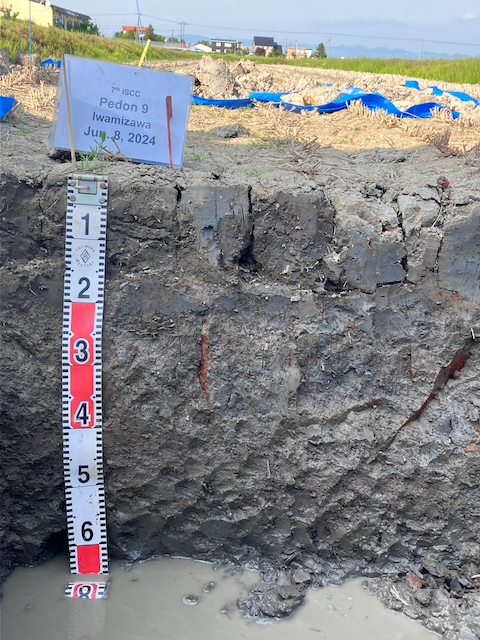
- HydraquentsTemperate humid paddy soils.Hokkaido, Japan
- Typic HaplustalfsTropical humid basaltic soils.Penghu, Taiwan