〈Soil Development Series I〉The Overlooked Foundation
Soil science has reached its current state because most materials used by human societies ultimately originate from soil and rock.
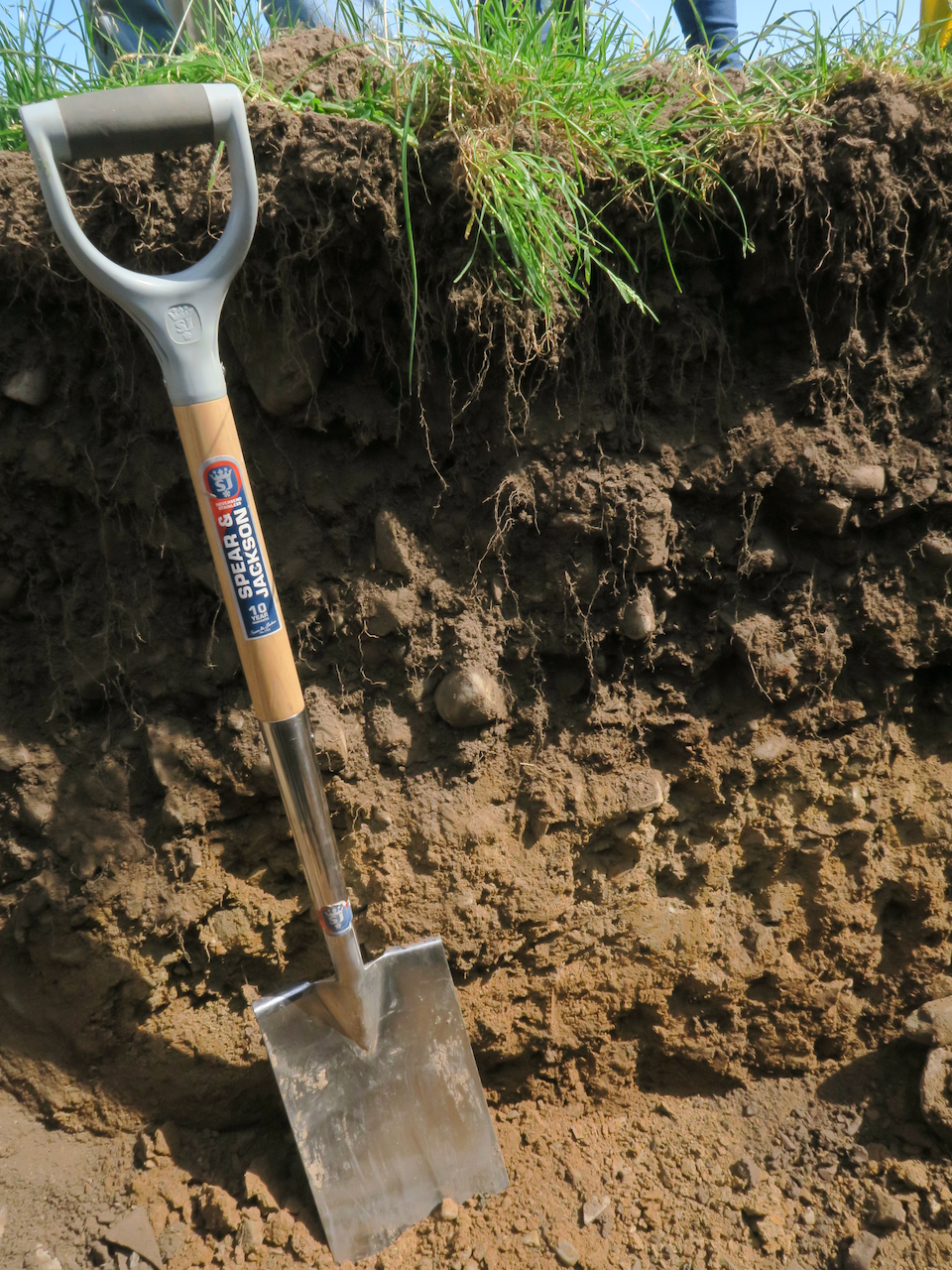
Soil science has developed to its present form by relying on a logic that is both fundamental and often overlooked: the vast majority of materials used by human societies originate from soil and rock.
Rice, bread, fruits, and vegetables come from the land. Water comes from rivers and groundwater that flow through it. The air is constantly filled with dust lifted from the Earth’s surface. The metals and non-metals required for modern technologies are extracted from deep geological layers.
Even the clean white clothes that protect us from being soiled by mud and dust are inseparable from soil. Cotton and flax grow from the land; animal fibers are nurtured by grasslands; synthetic fibers trace their origins to deep sedimentary rocks and soil layers. Beyond everyday imagination, soil pH determines whether cotton fibers are soft or coarse; the ratio of calcium to magnesium affects the strength of flax and ramie; the balance of trace elements shapes the curl and elasticity of wool. The amount of soil organic matter alters cellulose content in wood, thereby influencing the quality of synthetic fibers. Even petroleum, at its core, is the product of ancient organic matter accumulated and compressed over geological time.
From antiquity to the present, soil has remained an indispensable part of human society. It carries our food, culture, writing, and labor, and ultimately becomes the place where all existence comes to rest.
In Aristotle’s vocabulary, earth (γῆ) refers to a natural quality that is heavy, grounded, and dry. Soil is the manifestation of this quality in the world. If living bodies are said to contain the quality of earth, then life itself may be understood as bearing an inclination toward soil.
For this reason, drawing close to soil is part of human nature. Yet, at some point, this first-hand contact and understanding began to fade. As civilizations constructed themselves upward, this intimacy with soil was left behind, becoming an unnoticed homeland in the background.
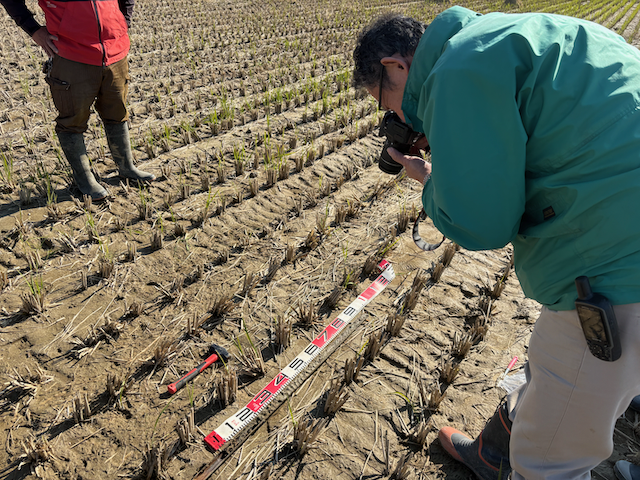
However, within the research fields that the author has encountered, the visibility of soil science has undeniably declined. Departments merge, research funding shrinks, and the number of specialists decreases year by year. Taken together, these fragments raise an unsettling question: are we gradually neglecting the most fundamental knowledge of the land?
Do we already understand soil well enough?
Does continued investment in soil research run counter to the direction of societal development?
Each time the author conducts experiments, writes manuscripts, or organizes data, these questions quietly surface. The reasons behind this situation are complex, including society’s high expectations of technology, intense competition for academic resources, and the long-term neglect of fundamental natural sciences. As these forces intersect, soil science has ceased to be a priority in many countries.
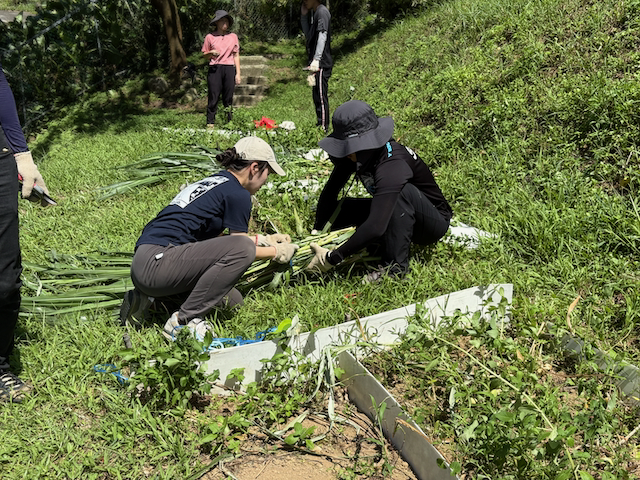
Looking back through history, the development of soil science has always been closely tied to societal needs. From land surveys conducted during wartime, to fertility studies during land reclamation, and later to soil mapping aimed at improving land-use efficiency, researchers gradually committed themselves to understanding soil classification, morphology, and pedogenic processes. This path has never been easy, as soil is the meeting place of solid, liquid, and gaseous phases, where countless physical, chemical, and biological reactions occur simultaneously or intermittently.
In the late nineteenth century (approximately the 1880s–1890s), Vasily Dokuchaev was the first to regard soil as an independent natural body. Through systematic studies of soil profiles such as chernozem, he demonstrated that soil properties are shaped jointly by parent material, climate, vegetation, and time, thereby laying the foundation of modern pedology. Later, in 1941, Hans Jenny further formalized these ideas by proposing the five soil-forming factors—climate, organisms, topography, parent material, and time—which remain a central framework in soil genesis research today.
Yet in the twenty-first century, soil scientists can no longer—and no longer wish to—confine their perspective to these five factors alone.
Research has expanded into geology and hydrology, agricultural production, industrial pollution remediation, critical element cycling, and risk assessment.
The problems faced by the real world have long since exceeded the boundaries of any single discipline.
Afterword
Note: This article is original. Some sentences were polished with AI assistance to refine the author’s intended tone.
Soil science has reached its current state by relying on a simple yet enduring fact: the materials used by human societies ultimately come from soil and rock.